Gulf's logistics industry needs to do heavy lifting for the environment

May 13, 2025

The Gulf is undergoing an extraordinary phase of transformation, propelled by ambitious national visions aimed at economic diversification, enhanced global competitiveness, and long-term prosperity.

Central to this evolution is the logistics sector – a vital backbone supporting regional trade, supply chain connectivity, and seamless movement of goods across land, air, and sea.

As the logistics industry in the GCC is projected to exceed $100 billion by 2030, its role is expanding beyond economic enablement. It is becoming a key driver in shaping a sustainable future, especially as governments across the region intensify their climate commitments.

Qatar, Saudi Arabia, the UAE, and Oman are all embedding sustainability into their national strategies, prioritizing renewable energy, environmental stewardship, and low-emission growth models.

Logistics sector needs to cut down that 10% For logistics, this is a turning point. As one of the world’s largest contributors to greenhouse gas emissions – responsible for nearly 10% globally – the sector must undergo a structural shift. That means aligning operational efficiency with environmental responsibility and reimagining the sector through the lens of sustainability.

Investments are being directed toward green infrastructure, low-emission transport systems, circular supply chains, and smart warehousing facilities. These efforts are not only reducing environmental footprints but also improving cost-efficiency, resilience, and long-term value creation.

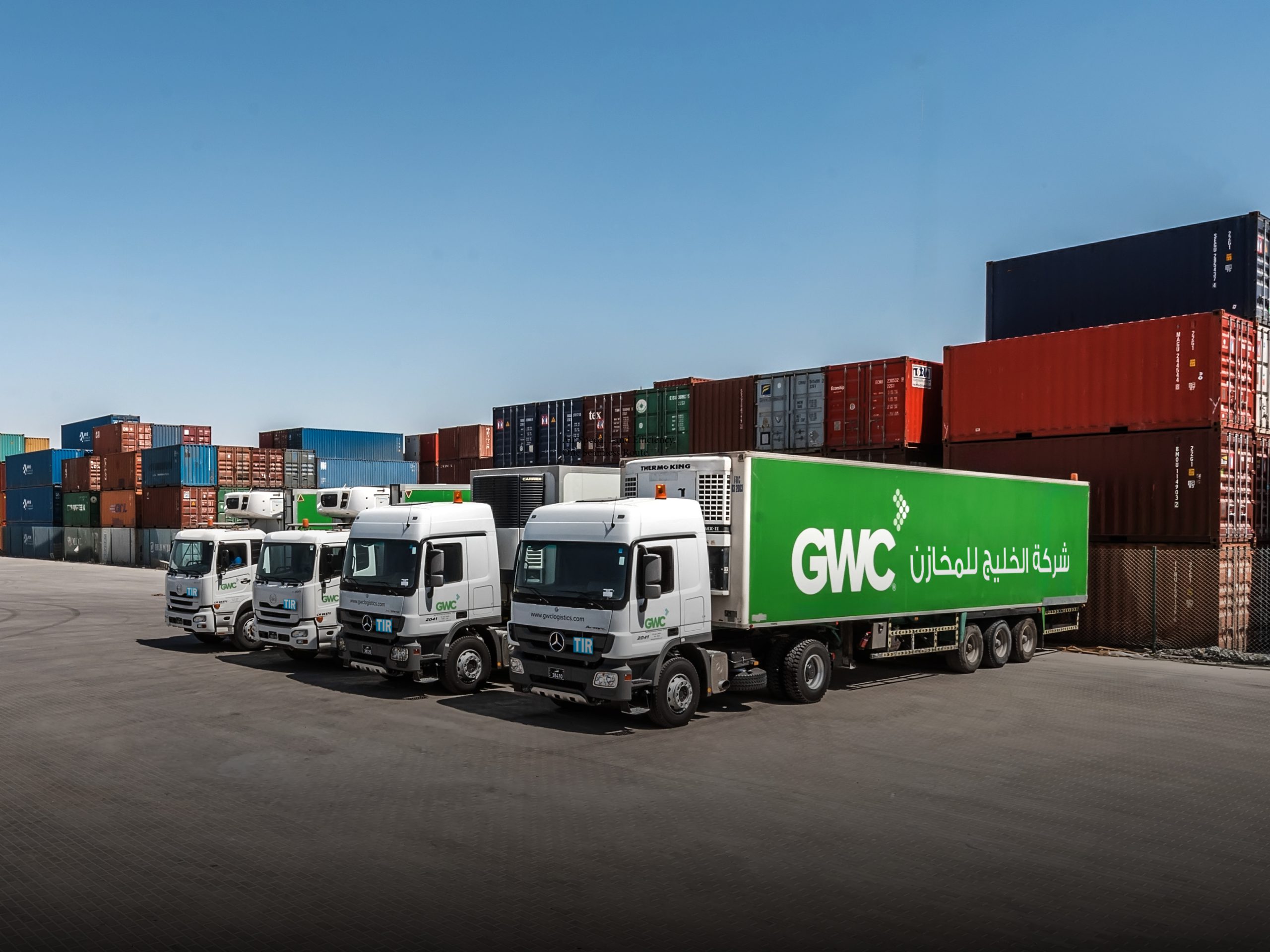
Logistics companies must rise to the occasion. Meeting climate goals requires the industry to prioritize emission reductions, energy efficiency, and responsible resource use across the whole supply chain. This includes adopting renewable energy technologies, redesigning facilities to reduce consumption, and optimizing fleet operations to transition away from fossil fuels.

Bring on the solar power

Harnessing the region’s abundant solar resources though clean energy initiatives presents one of the most powerful opportunities for transformative impact. Combined with the electrification of transport fleets, electric vehicle (EV) charging infrastructure, and energy-efficient route optimization technologies, logistics firms can dramatically cut their Scope 1 and Scope 2 emissions.

Integration of AI and IoT-enabled solutions can also enhance efficiency, leading to smarter inventory and routing decisions.

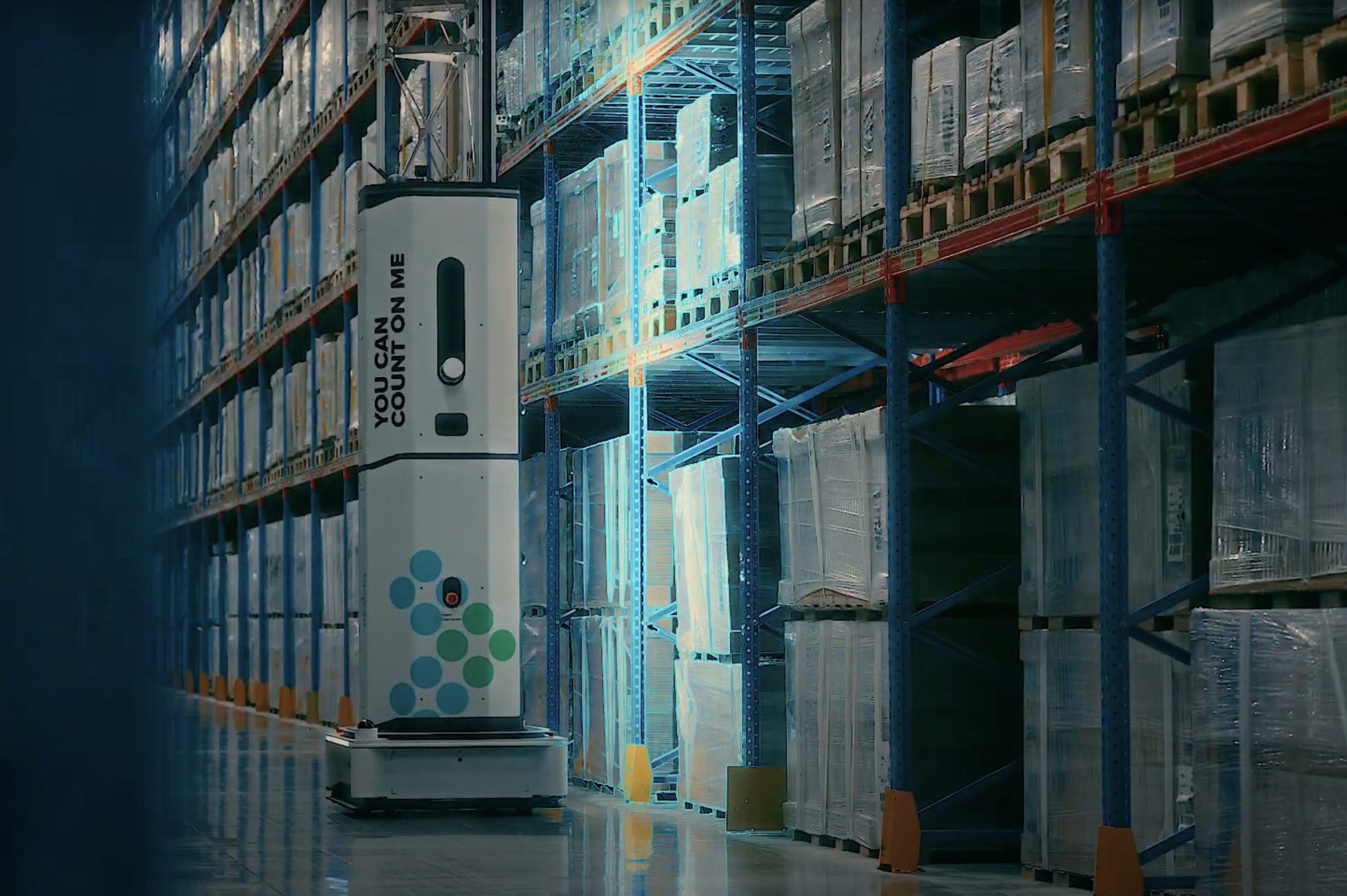
Waste management is another critical area. Logistics firms are in a unique position to implement and scale circular practices – like reusing packaging materials, recycling pallets, and composting food or organic waste across their networks. These initiatives contribute to resource conservation, reduce landfill dependency, and support broader environmental goals.

Water conservation is equally important in a region where water scarcity remains a major challenge. By deploying sewage treatment systems and using reclaimed water for landscaping or cooling, logistics providers can significantly reduce their impact on water resources while maintaining operational effectiveness.

In terms of infrastructure, modern logistics facilities must be designed with sustainability in mind – incorporating features like skylights for natural lighting, optimized ventilation, and energy-efficient building materials. Green building certifications and carbon footprint reporting are fast becoming industry norms, and they should be embraced not as burdens, but as opportunities to lead.

Equally vital is the power of collaboration. No single company can move the needle alone. Partnerships across the private sector, government agencies, and civil society are essential to developing shared standards, pooling resources for innovation, and ensuring accountability through transparent reporting and benchmarking.

Making the business case

The business case is also compelling.

Clients, investors, and regulators are increasingly demanding sustainable practices. Logistics companies that lead in this space will not only enhance their brand reputation but also unlock access to green financing, attract top talent, and secure a competitive edge in an evolving marketplace.

Ultimately, sustainability in logistics is a necessity. The region’s rapid economic growth must go hand in hand with its environmental responsibilities.

By embedding sustainability into the core of logistics strategy, operations, and culture, the industry can position itself as a leader in climate action and long-term resilience.
GET TO KNOW
GWC Group Expands Regional Footprint with New Subsidiaries in Qatar and the UAE
June 2026
GWC Group Expands Regional Footprint with New Subsidiaries in Qatar and the UAE
• GWC Group establishes GWC Biosafe Hazardous Materials Transport LLC in Qatar, extending its specialized logistics capabilities into regulated cargo handling • GWC Express Trading LLC launched in the UAE, deepening the Group’s commercial presence across the Emirates •  GWC Energy Logistics LLC opens Sharjah Branch 1, marking the Group’s entry into energy-sector logistics in […]
GWC Group and Meydan Free Zone Partner to Simplify Business Setup and Regional Expansion
June 2026
GWC Group and Meydan Free Zone Partner to Simplify Business Setup and Regional Expansion
• GWC Group and Meydan Free Zone partnership to simplify business setup, market entry, and regional expansion for companies establishing operations in the UAE. • The partnership positions GWC Group as the go-to logistics partner providing end-to-end supply chain support to companies setting up and operating within Meydan Free Zone. • Kearns: Logistics is a […]
GWC Group Strengthens Doha’s Role as a Strategic Cargo Gateway with Integrated Air-Land Corridor
June 2026
GWC Group Strengthens Doha’s Role as a Strategic Cargo Gateway with Integrated Air-Land Corridor
• For the first time, GWC Group connects air freight speed with cost-efficient, cross-border road transport, giving the GCC a new standard for cargo movement. • GWC Group-powered corridor enables faster, more predictable delivery across Qatar, Saudi Arabia, UAE, Oman and Bahrain markets through coordinated multimodal operations. • TIR enables cross-border movement under a single […]
GWC Group Closes Q1 2026 with QAR 33.7 Million Net Profit in Full Delivery of Plan
April 2026
GWC Group Closes Q1 2026 with QAR 33.7 Million Net Profit in Full Delivery of Plan
• GWC Group posts robust Q1 2026 figures • Sheikh Mohammed Bin Hamad: Rapid response demonstrates the founding principles of GWC Group — present, reliable and responsible for Qatar and the region when it matters most • Sheikh Abdulla Bin Fahad: In partnership with the Qatar Government, GWC Group opened new sea, land and air […]
GWC Reviews a Year of Strategic Progress at Annual General Meeting
February 2026
GWC Reviews a Year of Strategic Progress at Annual General Meeting
– 2025: A year of disciplined execution and purposeful progress, advancing GWC’s transformation into an interconnected, technology-enabled logistics platform – Acquisition of Quivo and expansion into three continents shaped GWC’s year – Interoperability at scale, applied technology, and embedded sustainability reinforce GWC’s role in supporting Qatar’s position as a regional and global logistics hub Gulf […]
GWC Presents Its E-Commerce Logistics Platform at WORLDEF Dubai 2026
February 2026
GWC Presents Its E-Commerce Logistics Platform at WORLDEF Dubai 2026
– GWC demonstrates its ability to support scalable, multi-market e-commerce operations through a single operating model. – Kearns: We are presenting an integrated platform that provides e-commerce businesses direct access to infrastructure designed for multi-market operations. – Strategic integration with Quivo enables omnichannel commerce execution without rebuilding supply chains market by market. Gulf Warehousing Company […]
GWC Announces Strategic Collaboration with Apify at Web Summit Qatar 2026
February 2026
GWC Announces Strategic Collaboration with Apify at Web Summit Qatar 2026
– Collaboration integrates logistics scale with AI-driven data and automation to help e-commerce businesses scale and expand into new markets. – GWC and Apify to share practical AI and MCP use cases with founders and digital-first businesses at Web Summit Qatar 2026. – Focus on reducing technical, operational, and go-to-market barriers for high-growth e-commerce players. […]
GWC is the Official Logistics Partner of Art Basel Qatar 2026
January 2026
GWC is the Official Logistics Partner of Art Basel Qatar 2026
– GWC Managing Director: Strengthening Qatar’s position as a global hub for art and culture – Partnership reflects GWC’s capability to deliver complex, high-value logistics to global standards – GWC unveils plans to establish the region’s largest fine art logistics hub Gulf Warehousing Company Q.P.S.C. (GWC), one of the leading logistics providers in the region, […]
GWC reports QR 120 million net profit in 2025
January 2026
GWC reports QR 120 million net profit in 2025
• Sheikh Mohammed Bin Hamad: Committed to cementing our regional leadership • Sheikh Abdulla Bin Fahad: Advancing portfolio diversification through integration and expansion • Matthew Kearns: Scaling an integrated and efficient logistics platform Gulf Warehousing Company Q.P.S.C (GWC), one of the leading logistics providers in the region, has announced its financial results for the year […]
GWC Celebrates World Quality Week
November 2025
GWC Celebrates World Quality Week
• Matthew Kearns: Quality management is a cornerstone for growth in a changing business environment. • Advanced logistics solutions that meet clients’ needs and anticipate the future. Gulf Warehousing Company Q.P.S.C (GWC) – one of the leading logistics service providers in the Middle East and North Africa – celebrated World Quality Week 2025 from 10 […]